
dextertruchana
About dextertruchana
Unbiased Article Reveals 9 New Things About Valuation That Nobody Is Talking About
 The real estate market does not move in one direction nationwide. It never has. What is happening in Austin is not what is happening in Cleveland. What is true for a three-bedroom in the suburbs of Dallas has almost nothing to do with a two-bedroom in San Francisco. Before you do anything else, narrow your focus to the specific market you are shopping in and stop reading national headlines as if they apply to you personally.
Home prices at the national level have remained well above their pre-pandemic levels even as sales volume collapsed. The reason is supply. A seller who bought in 2021 at a three percent rate has nowhere affordable to go if they list today, which means the correction that many analysts were expecting simply did not materialize the way the data suggested it should.
Here is what that creates for someone who is financially prepared and ready to move: more room to negotiate than the market’s reputation suggests. The panic buyers are gone. The buyers who showed up with emotion instead of analysis have mostly sat back down. What remains is a more functional market, even if it is not a cheap one.
 Your credit score affects your rate more directly than most buyers realize. The difference between a 680 score and a 760 score can mean a half-point or more in rate. If your score has room to improve, pull your reports, find the issues, and address them before you start shopping seriously.
 The appraisal is the lender’s check, not yours. If the home appraises below the contract price, the lender will only finance against the appraised value. Ask your agent whether recent comparable sales support the price you are offering.
 Price matters, but terms matter too. A longer closing window, a shorter inspection period, a larger earnest money deposit, or willingness to do a rent-back period can all tip a deal in your favor without you spending an extra dollar on the purchase price.
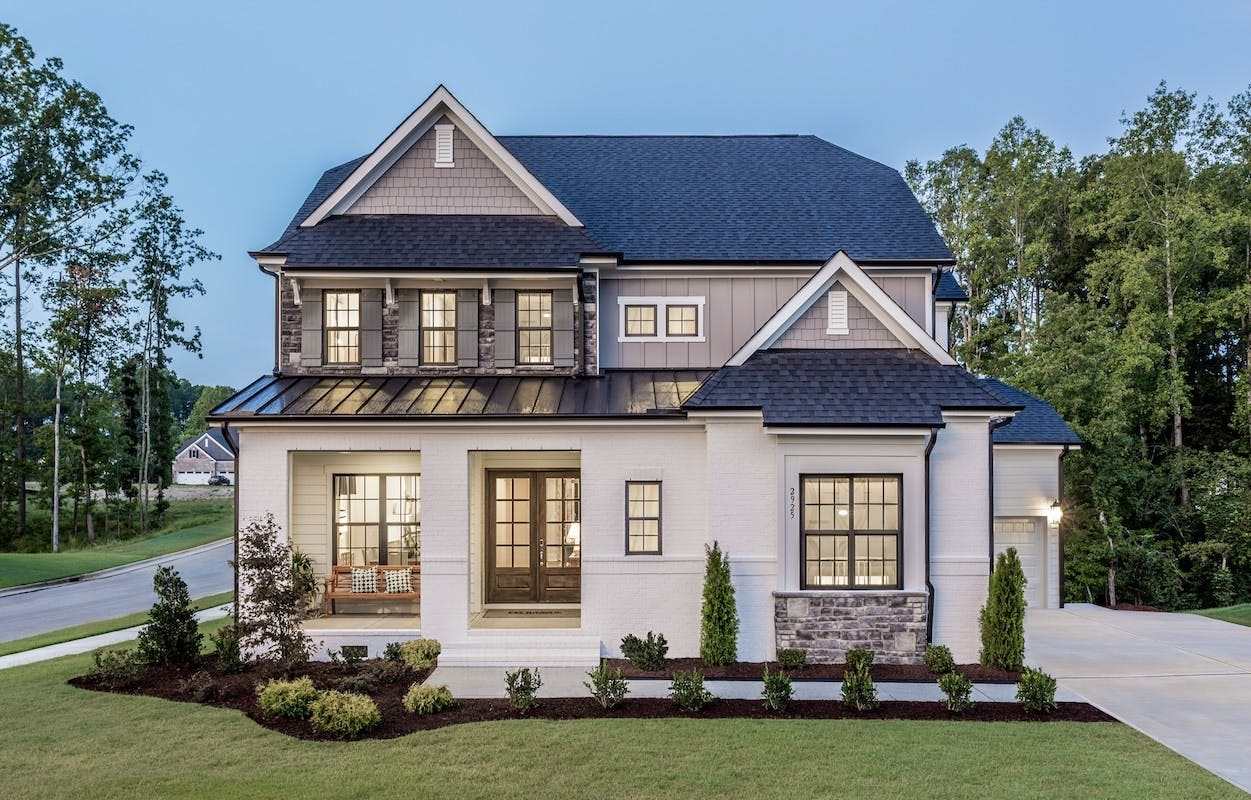 The timing question, whether to buy now or wait for prices to pull back, is the one that trips up more buyers than any other single factor. No one consistently times the real estate market. The more useful question is not whether now is the right time in the abstract; it is whether the home works for your actual life for the next five to seven years.
Buyers who take the time to do their homework tend to find that there are still good properties available at realistic prices. Spending twenty minutes with current homes for sale and market analytics is a better use of your time than waiting for conditions that may never arrive.
No listing found.